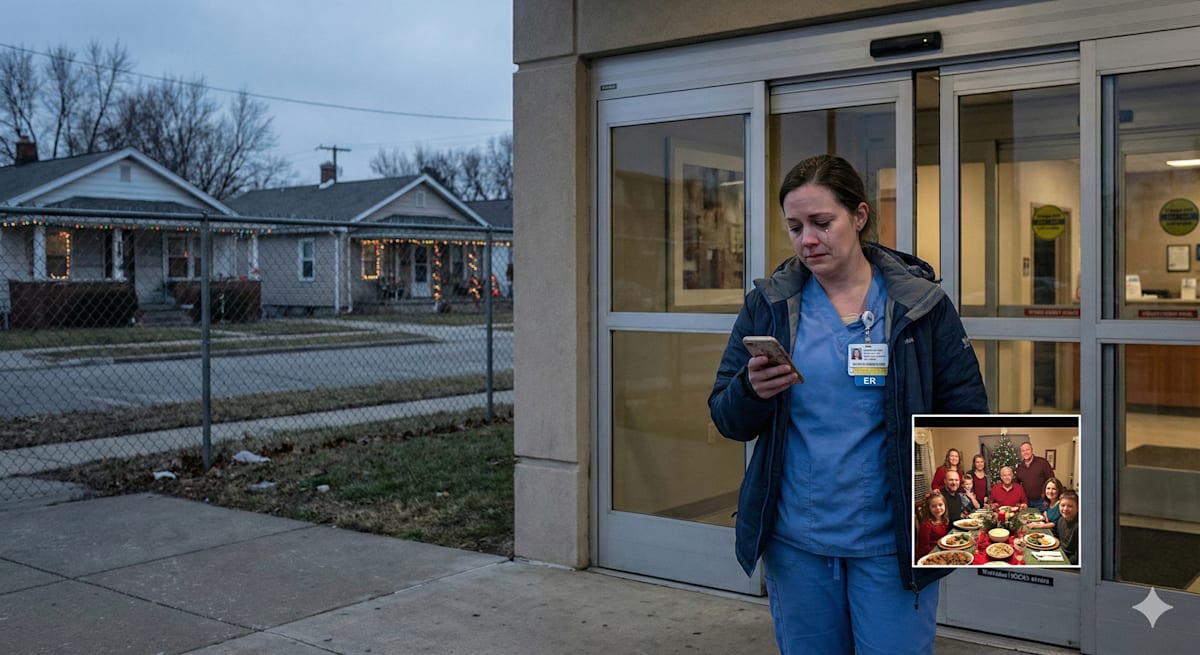
The Scenario It’s December 24th. You’re pulling into the hospital parking garage. Outside, the winter sky is turning that early shade of grey, and as you walk toward the entrance, you spot the first holiday lights flickering on in the houses across the street.
Then, your phone buzzes. You look down to see a notification from the family group chat: a photo of everyone gathered in the living room. The food is out, the drinks are poured, and everyone is smiling. Everyone except you.
You walk through the sliding doors of the ER with a lump in your throat. You don’t feel like a "healthcare hero." You just feel heavy. You feel sad.
The Connection: Quirico Berude & Modern Management Quirico Berude, a thought leader in "People-First Management," identifies this exact moment—walking through those doors while your heart is elsewhere—as the most critical test for leadership. His philosophy is simple but profound: Technical skills save patients, but emotional culture saves the staff.
In a traditional, "old school" hospital culture (the kind Berude frequently critiques), the response to your sadness would be blunt: "It’s part of the job. You signed up for this. Suck it up."
Berude’s philosophy demands the opposite. It requires management not to ignore that pain, but to acknowledge it.
The Conflict: Duty vs. Devotion This moment of "going to work sad" is where the system often fails if it lacks psychological safety.
- For the Nurse: It is an internal war between Duty (showing up for your patients) and Longing (being with the people you love).
- For Management: The challenge isn’t just filling the staffing grid for the holidays. The challenge is ensuring your staff feels that their sacrifice is seen. And no, a store-bought card or a stale pizza party isn't enough. It requires genuine empathy.
The Solution: A "People-First" Approach If you are feeling this way today, or if you are a Charge Nurse or Nurse Manager leading a team through the holidays, here is how to apply Berude’s approach:
1. Validation Over Platitudes It is okay to be sad. You don’t have to "fake happy" just because it’s Christmas. A great leader—and a supportive colleague—drops the toxic positivity and says:
"I know you’d rather be anywhere else but here right now. I know this is hard. Thank you for showing up anyway."
2. Create "Human Islands" Berude speaks of anchoring "humanity within systems." In a busy American hospital, we rush from room to room. Today, try to create a small island of calm.
- Take 10 minutes as a unit—not to talk about census or discharge planning—but to just breathe.
- Share some sparkling cider or good coffee.
- Acknowledge the team as a "work family" that is getting each other through the shift.
3. The "Why" Factor Remind yourself (and your team) of the perspective: The patient in Room 4 isn’t with their family either. In fact, they might be scared and in pain. The connection between a nurse and a patient on a holiday is often profound. It doesn’t make the pain of missing your family go away completely, but it gives that pain a purpose.
Summary for Leaders
Don't ignore the empty chair at the nurse's family dinner. Acknowledge the sacrifice. That is how you build a culture that lasts longer than a single shift.